
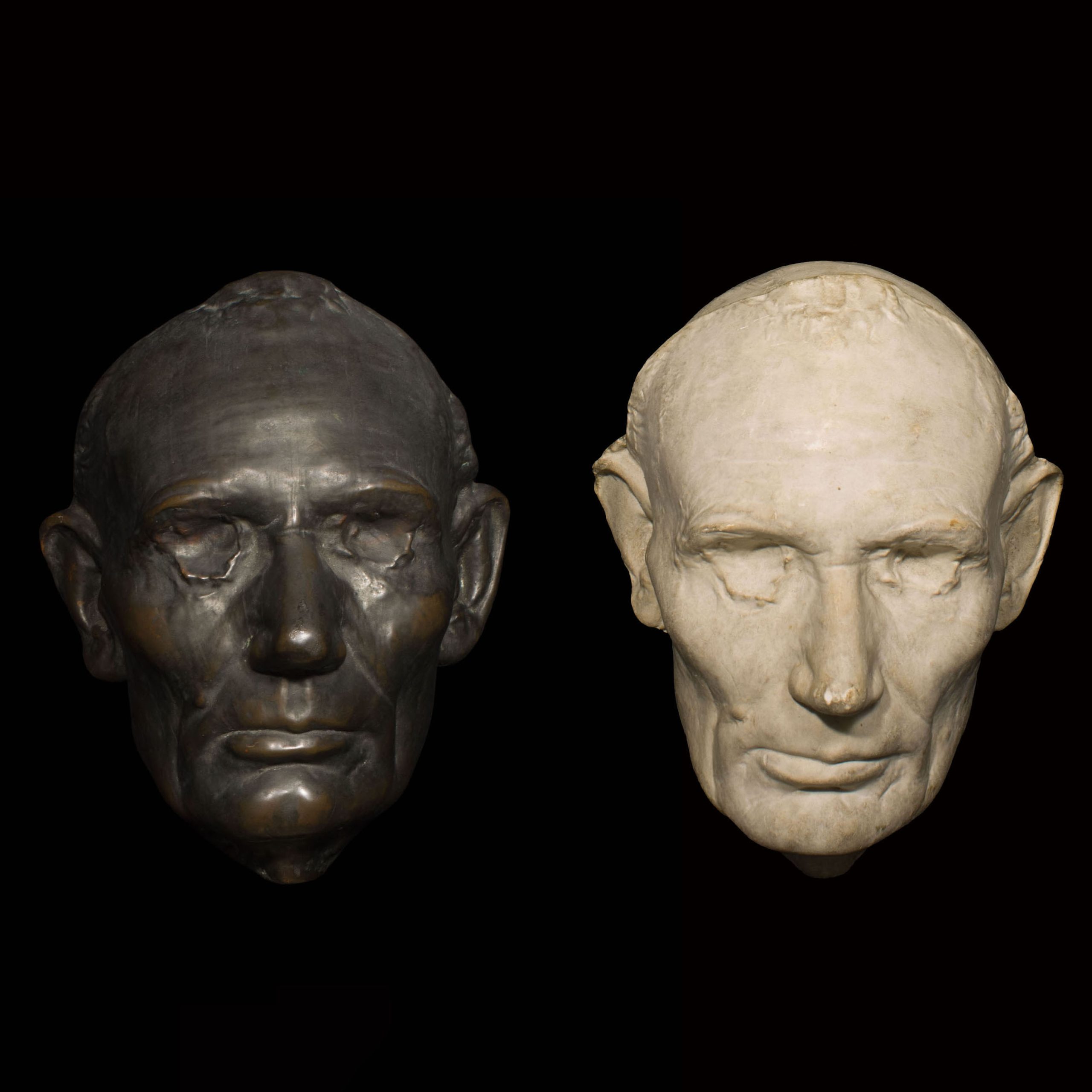
January 21 – March 29, 2026
About:
Have astonishing vast spaces, once the picture of the sublime, been replaced by slow time? This exhibition invites you to enter slow time by focusing on one treasure each week from the museum vault, some not shown in decades. Is it possible, now, to encounter the sublime? Let’s see.
Related Events:
Samek Distinguished Art Lecture
Friday, February 6, 6 p.m.
Samek Art Museum, ELC, Top Floor
Art as Analgesia: Reimagining Public Health Through Cultural Engagement
Join Dr. Ian Koebner for a discussion of the emerging role that cultural institutions can play in advancing public health. Situated at the intersection of curation, public health, and community practice, this talk explores how museums and other art environments can make meaningful contributions to alleviating persistent pain and fostering well-being. Drawing upon mixed-methods research, arts programming, and interdisciplinary collaboration, Dr. Koebner will explore how attention, contemplative engagement, and creative learning environments can support physical, emotional, and social flourishing. The session highlights the museum not only as a site of cultural enrichment, but as a therapeutic space capable of expanding how we understand, and design for, health in the public sphere.
This lecture is presented in collaboration with the Bucknell Health Humanities Initiative.
The Slow Sublime Opening Reception
Friday, February 6, 7 p.m.
Samek Art Museum, ELC, Top Floor
Join us in celebrating the opening of our newest exhibition. There will be refreshments provided.
Curatorial Text:
Slow is the new vast.
Building on ancient texts, thinkers like Burke, Kant, and Ruskin likened the sublime to beauty mixed with a dash of terror (think “awe-struck”). The sublime was unrepresentable on its own, but was suggested by astonishing vastness and power like a mountain range or raging storm.
The sublime thrived in Romantic art and literature through late Modernism, but artists began to reject the heavy-breathing earnestness of Modernism in favor of the ironies of Postmodernism and the grand sublime became a bit passé.
The vast sublime took another hit in the form of technology. We punch 4 x 6 inch holes in space with our phones as global networked telepresence shrinks distances and screens compress scale.
If the sublime still exists or is still relevant, its signifiers have certainly changed.
Perhaps slow is the new vast and the sublime is now suggested by slow time and the horizon of media. AI, for instance, is alluring, unknowable, magical and terrifying, accompanied by its own temporal rapture, the Singularity. Alternately, the creeping doom of climate change unfolds just below the threshold of individuals’ perception (and nothing quite juxtaposes beauty and terror like the death of nature). In the era of fast time/fast attention, slow time is mysterious & alien, perfect growing conditions for the sublime.
How do we explore this new realm in search of the sublime? We enter slow time by practicing slow looking (see the far wall for some tips). This exhibition encourages slow looking by focusing on one new treasure each week from the museum vault, some not shown in decades, that hints at a different aspect of the sublime.
So, is it possible—now—to have an encounter with the sublime? Put away your devices, shift your perceptions, and let’s see.
Installation Images:
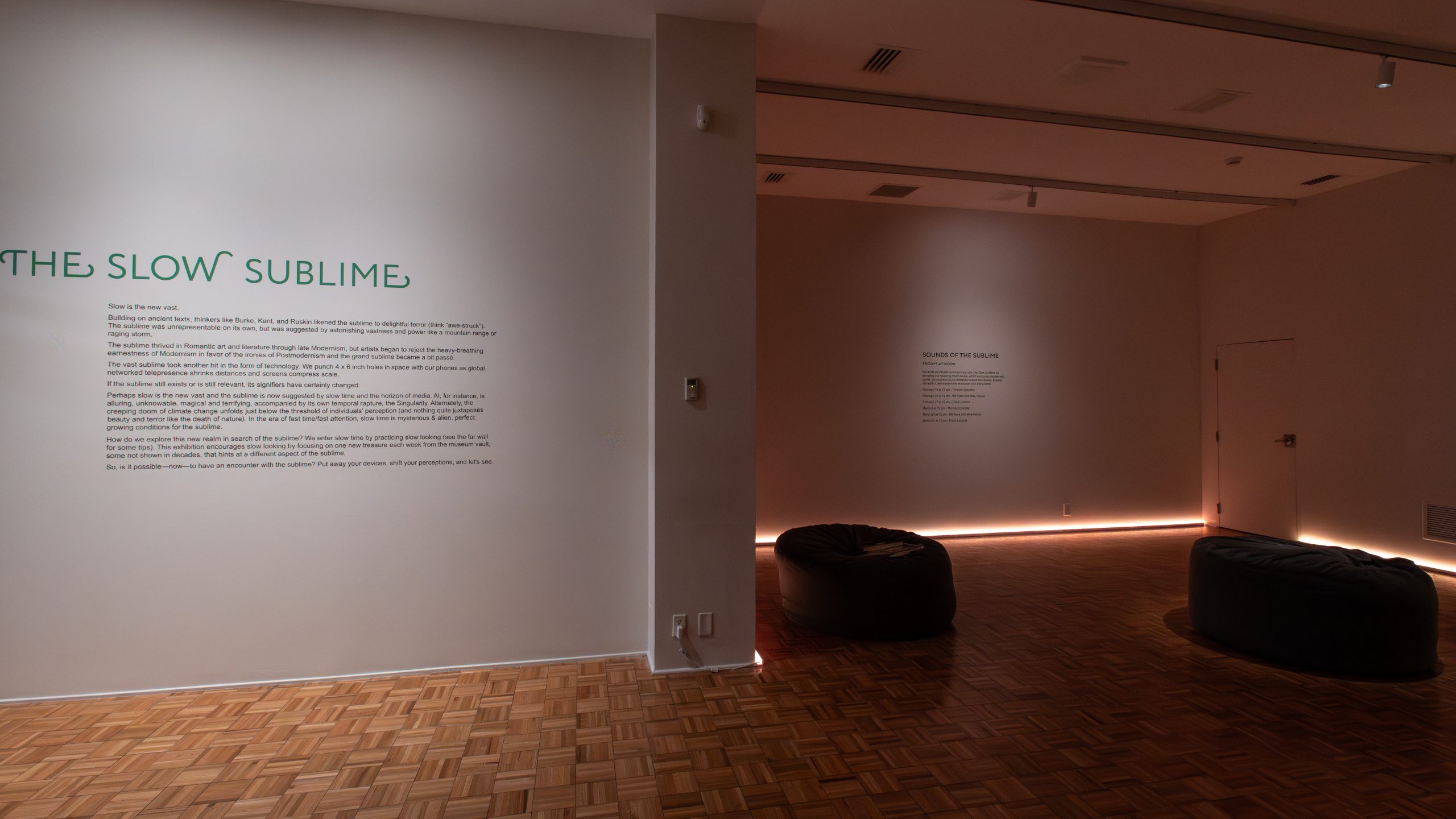
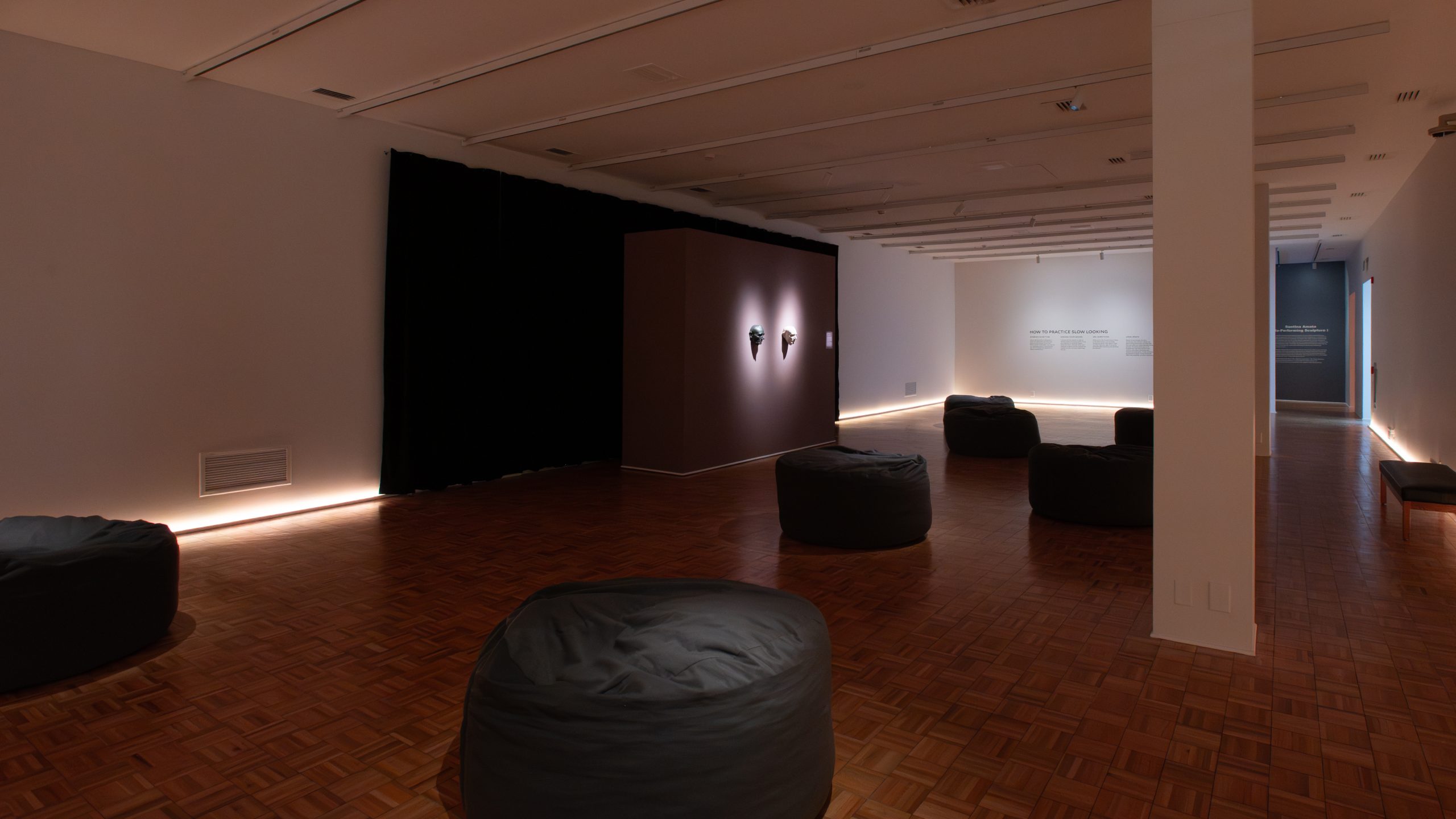
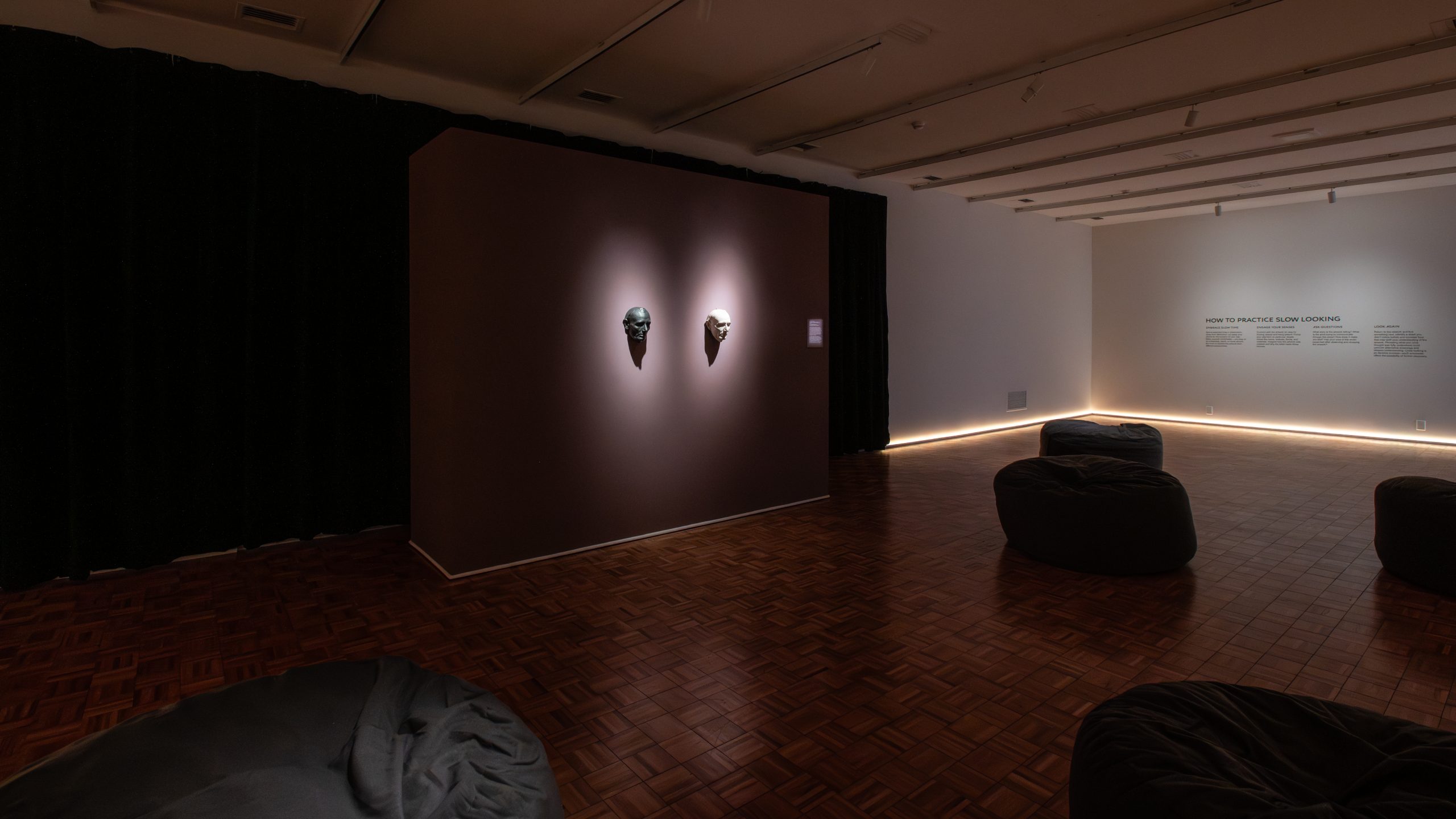
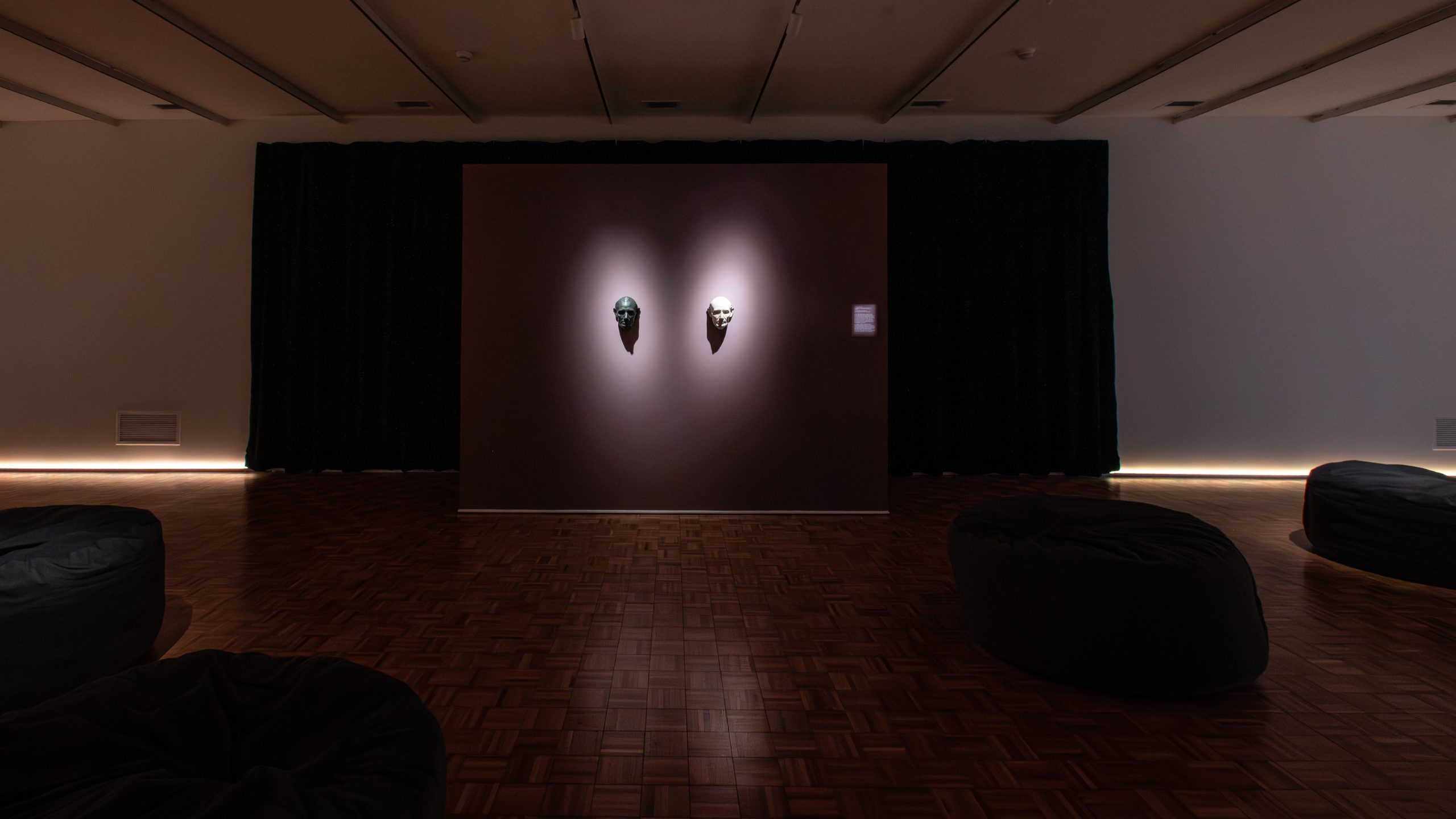
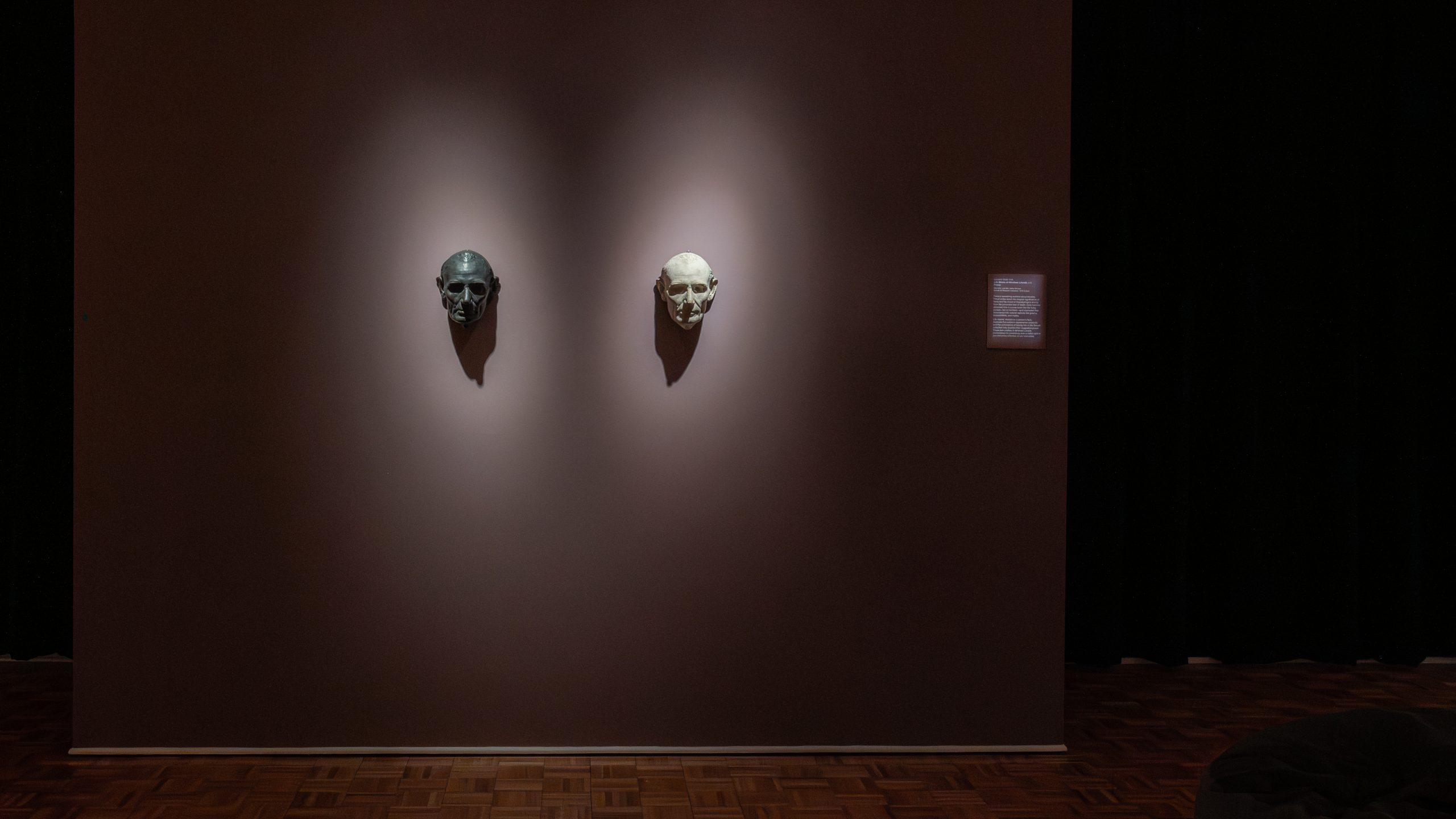
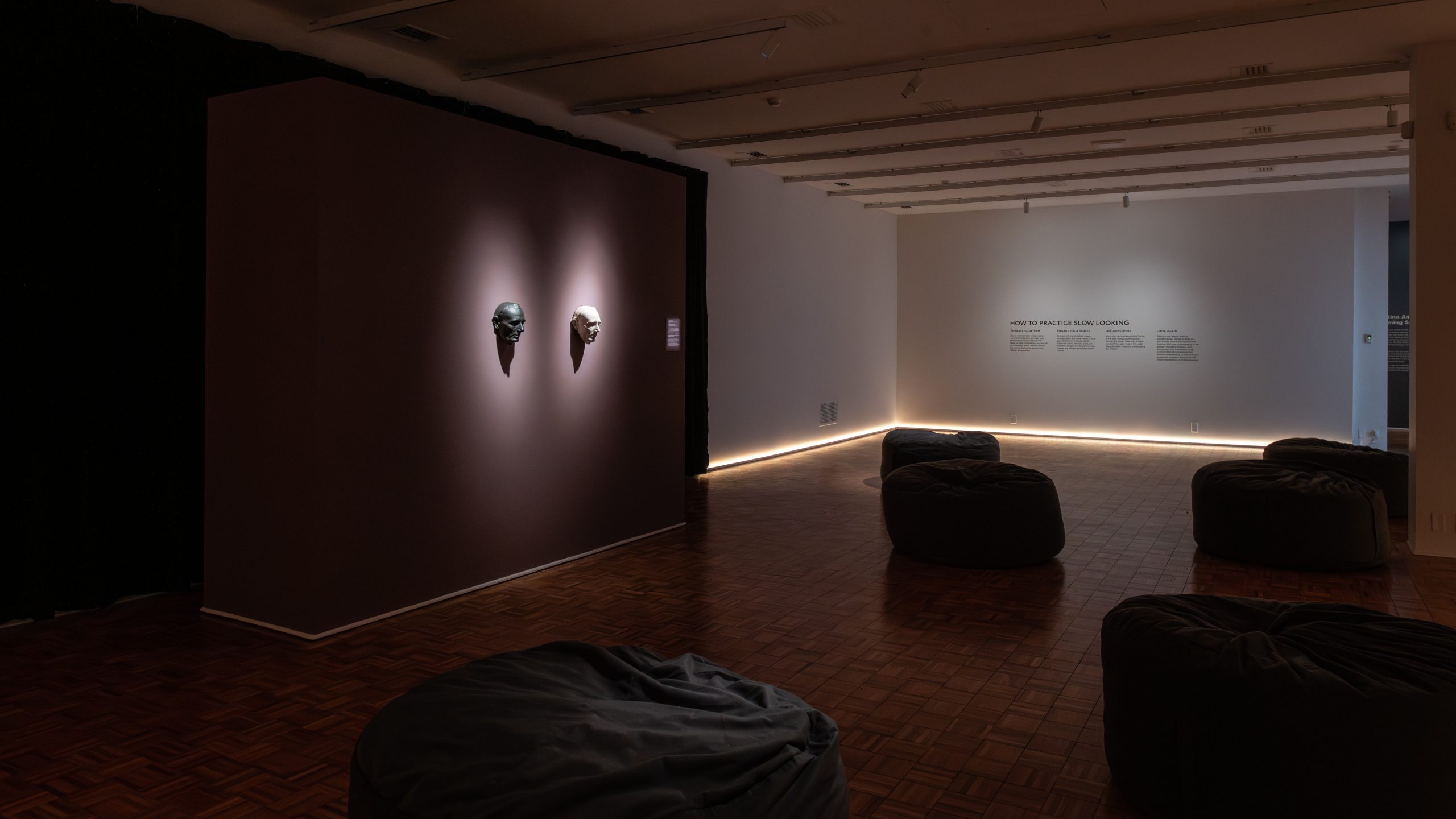
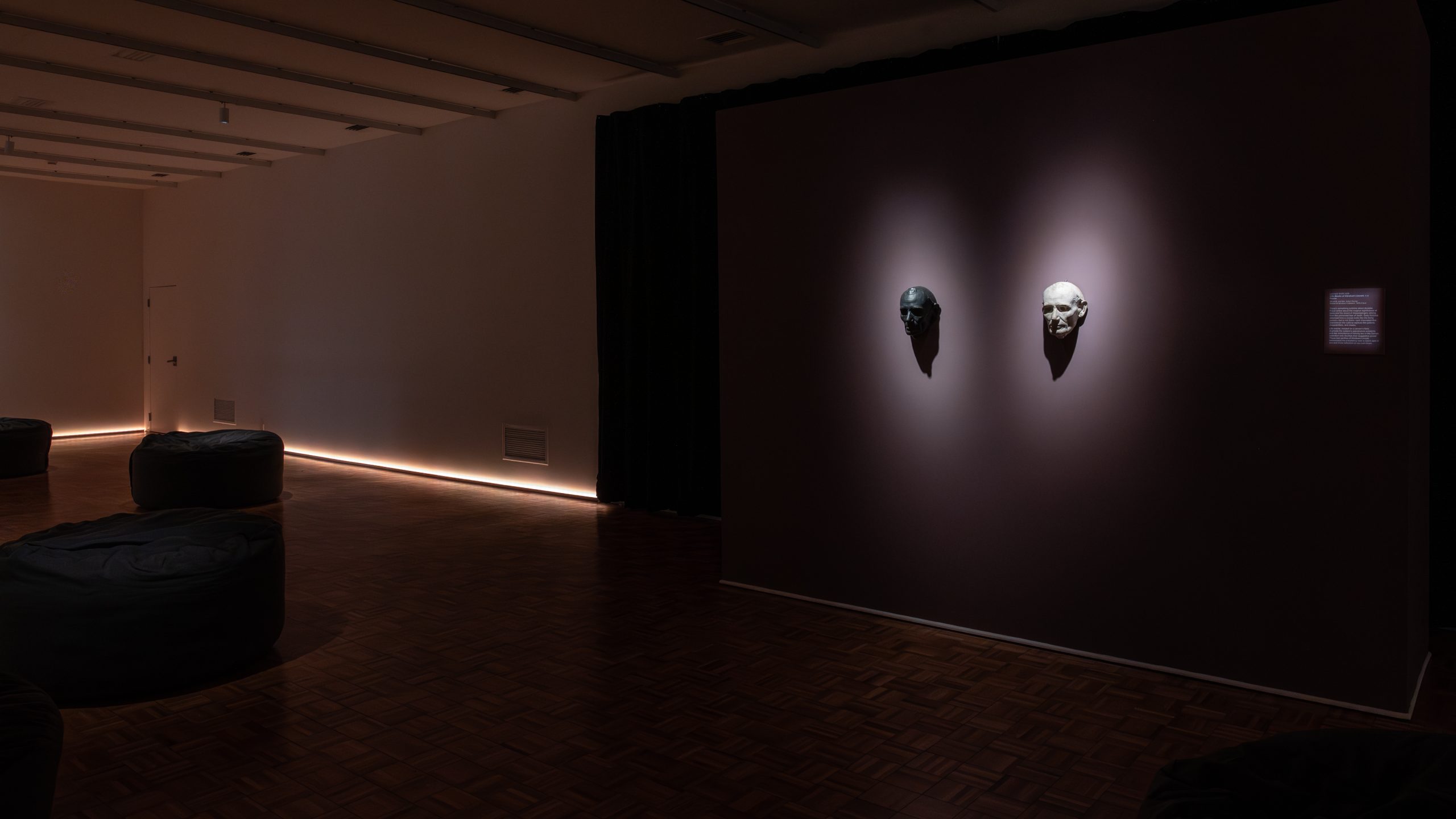
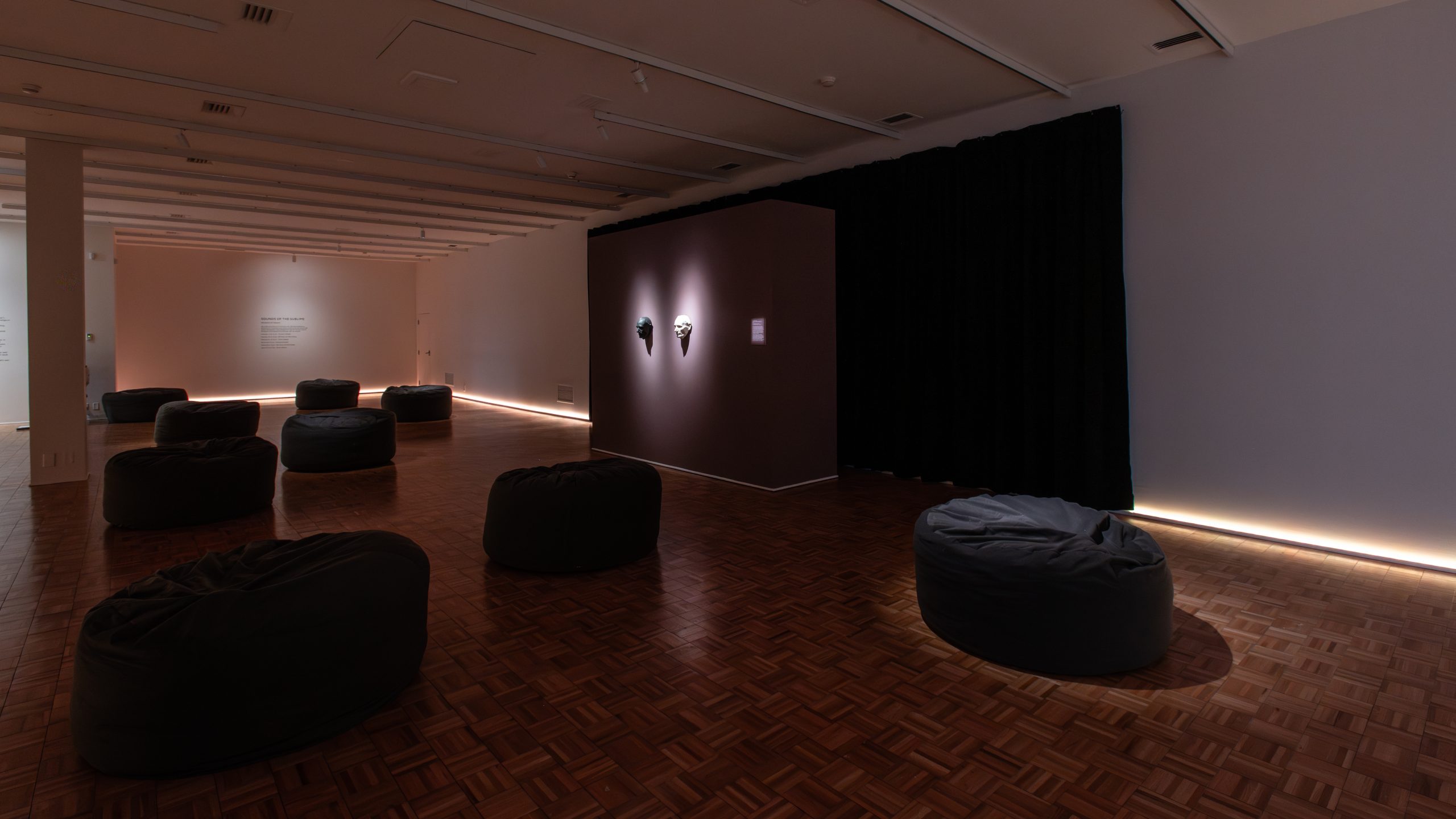
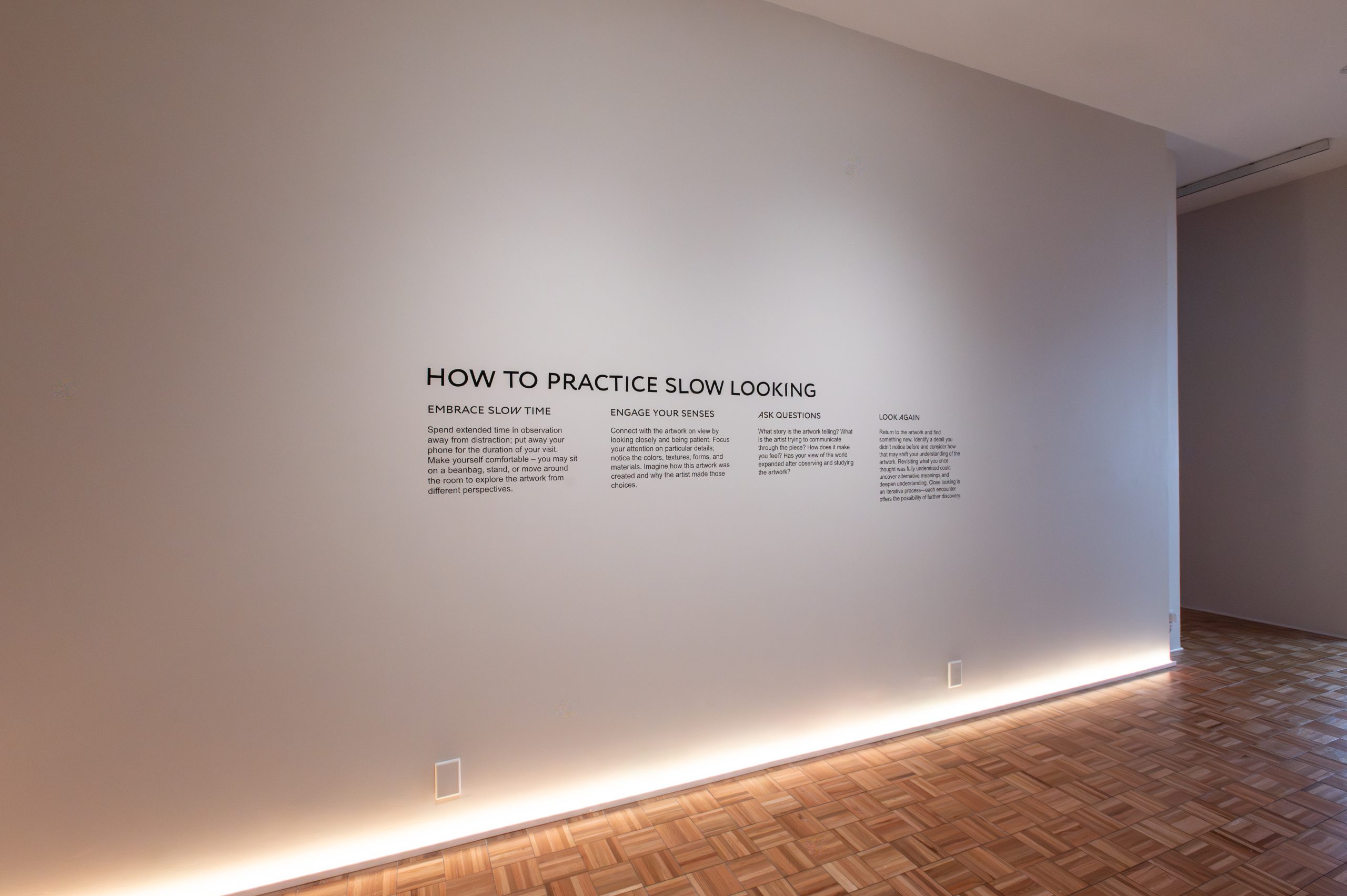
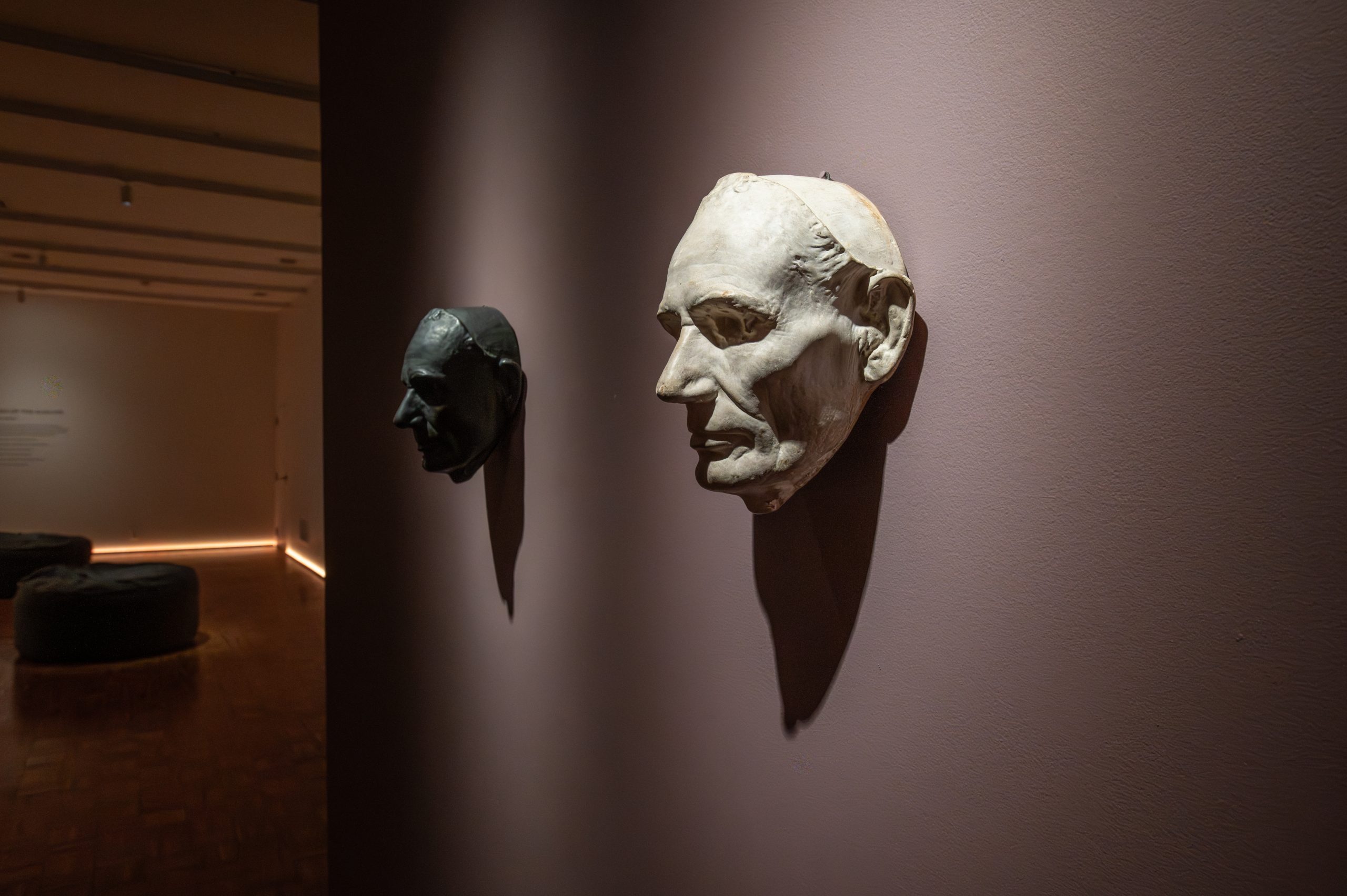
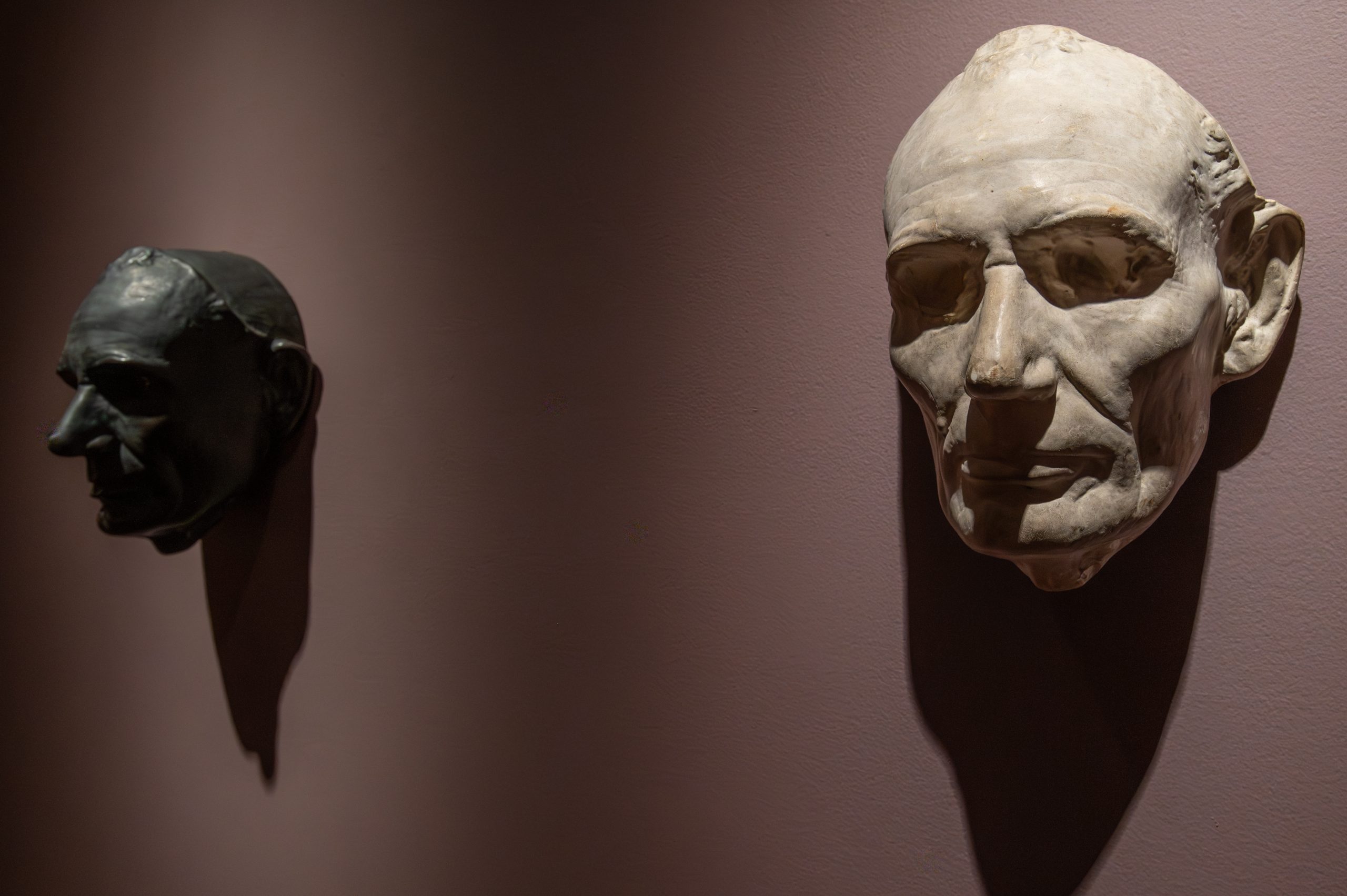
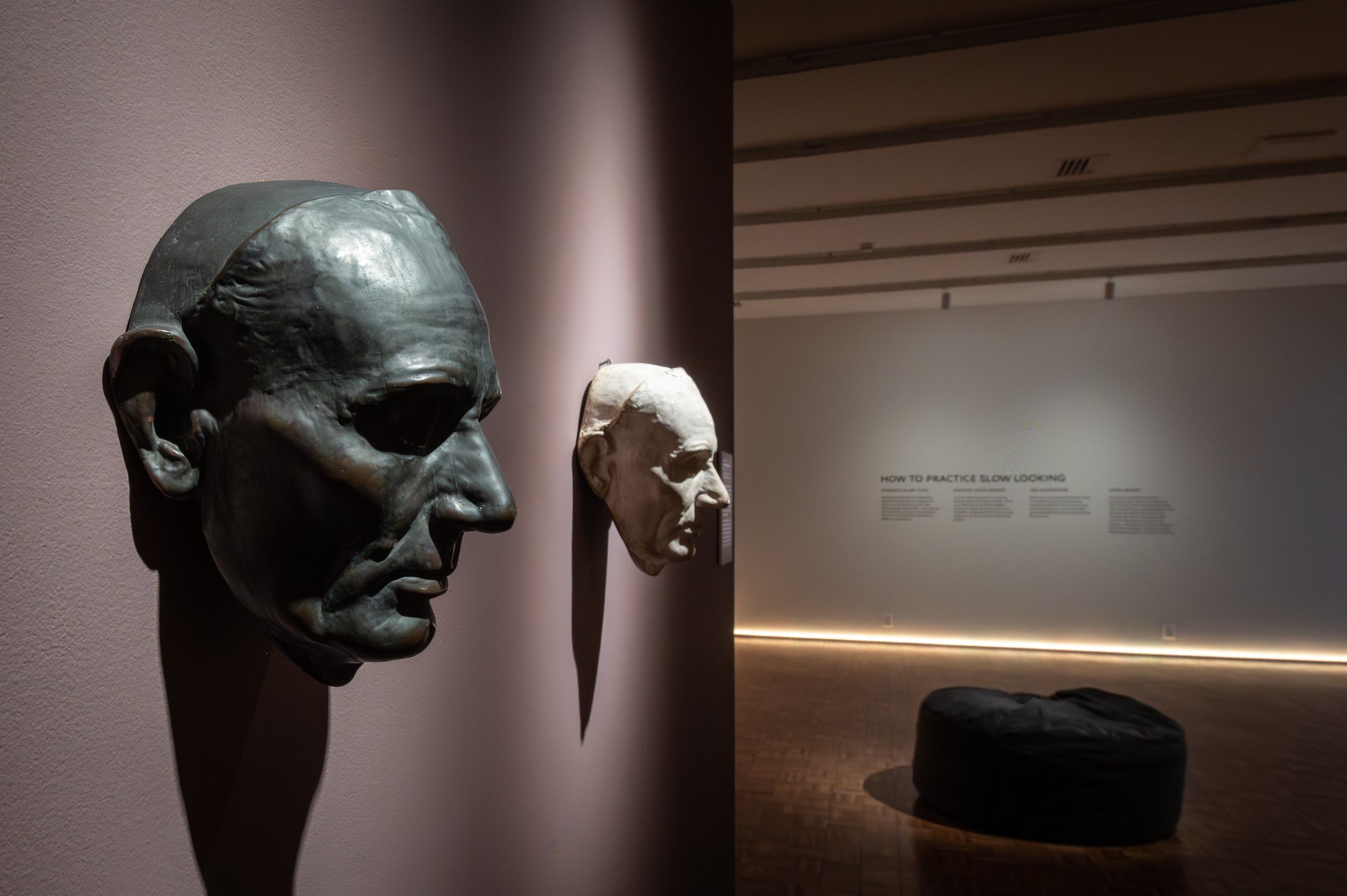
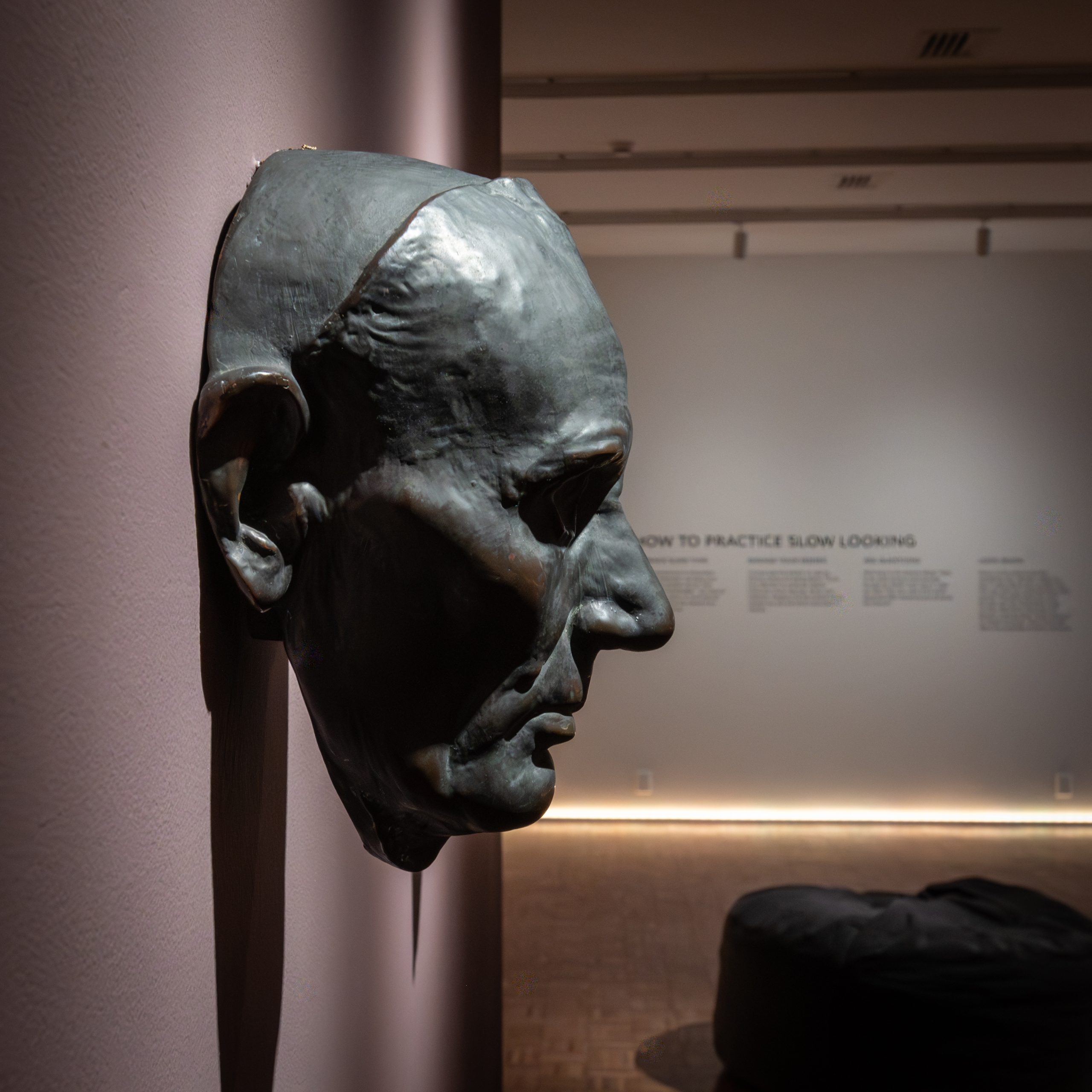
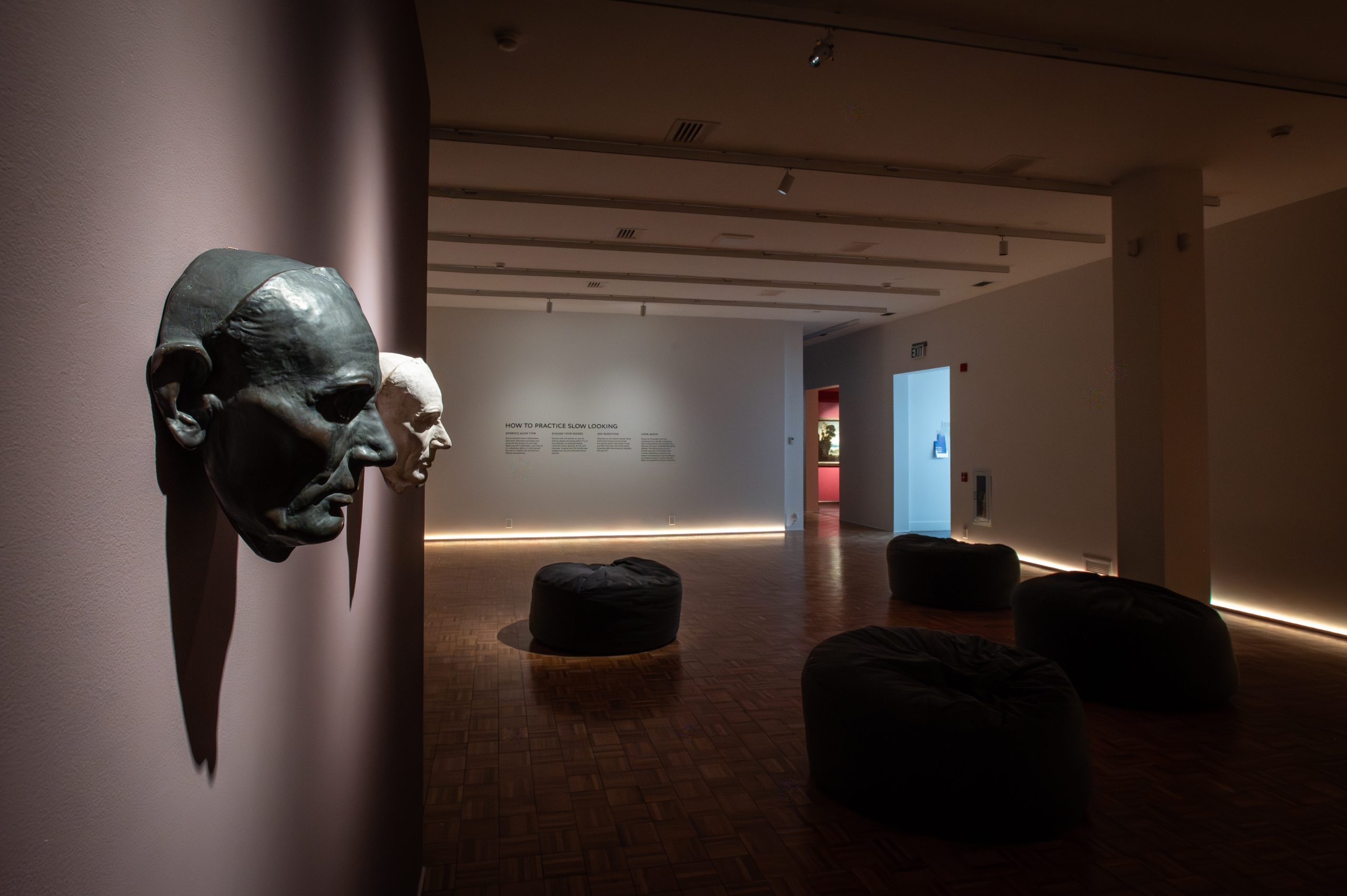
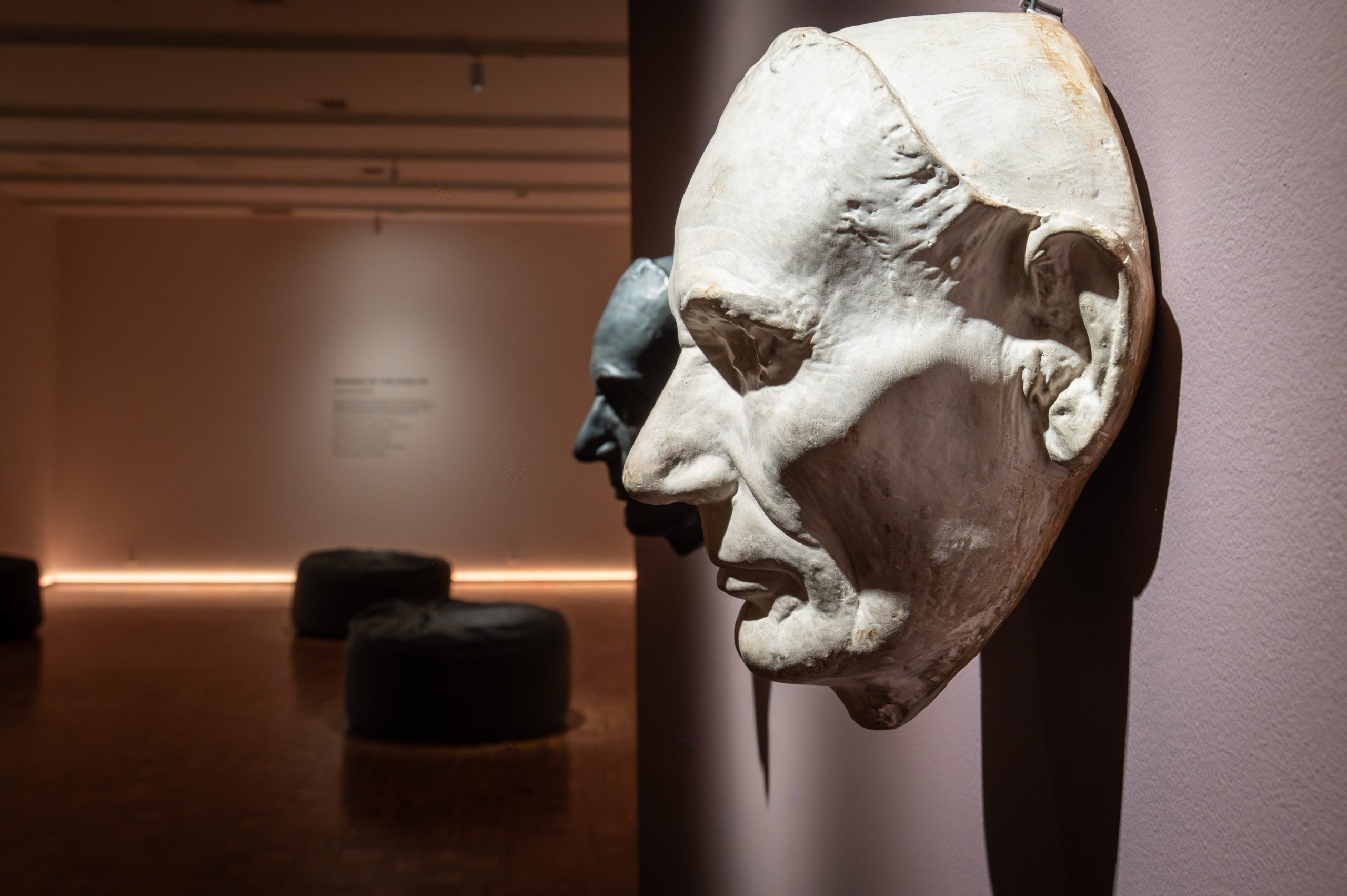
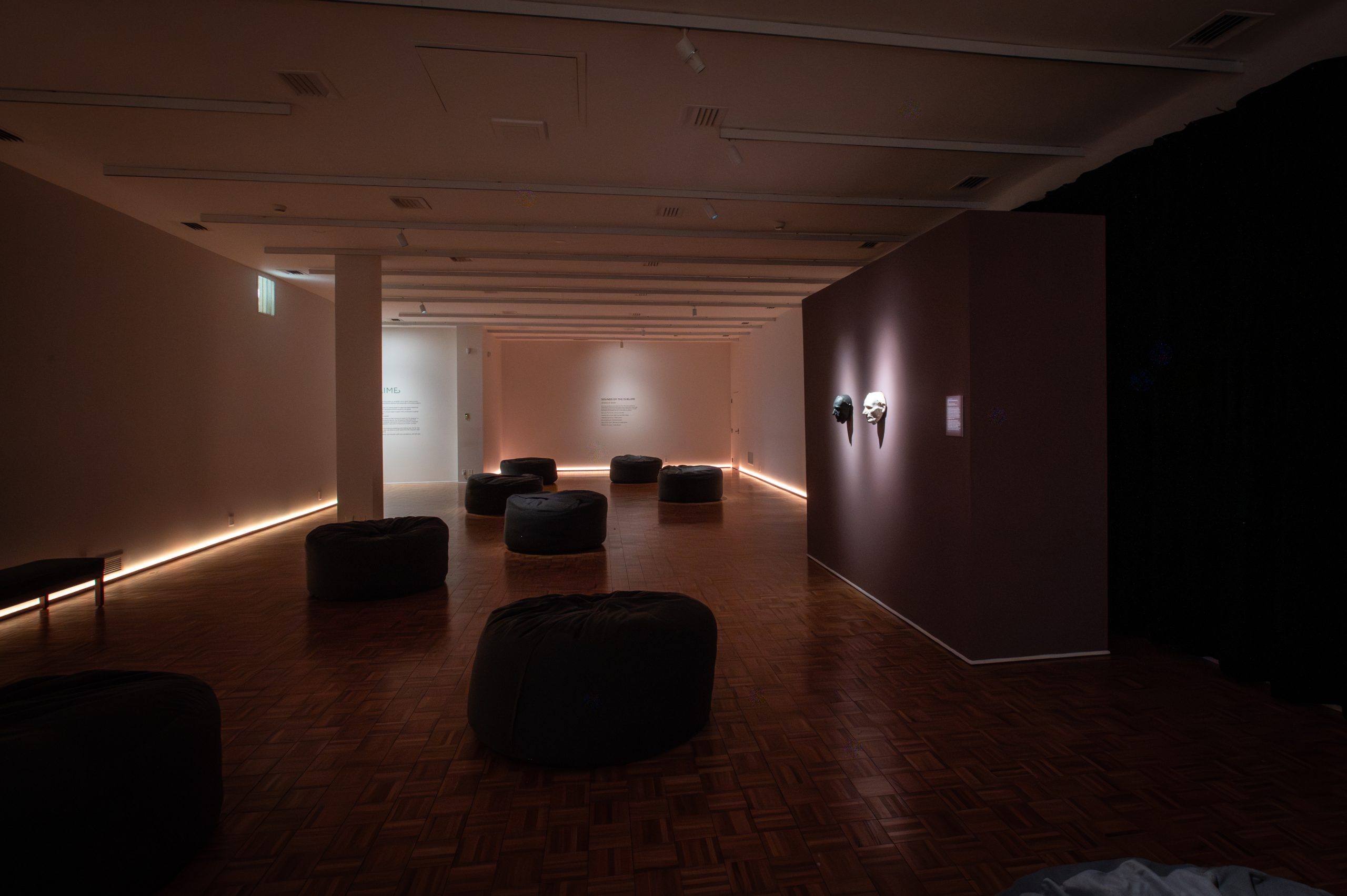
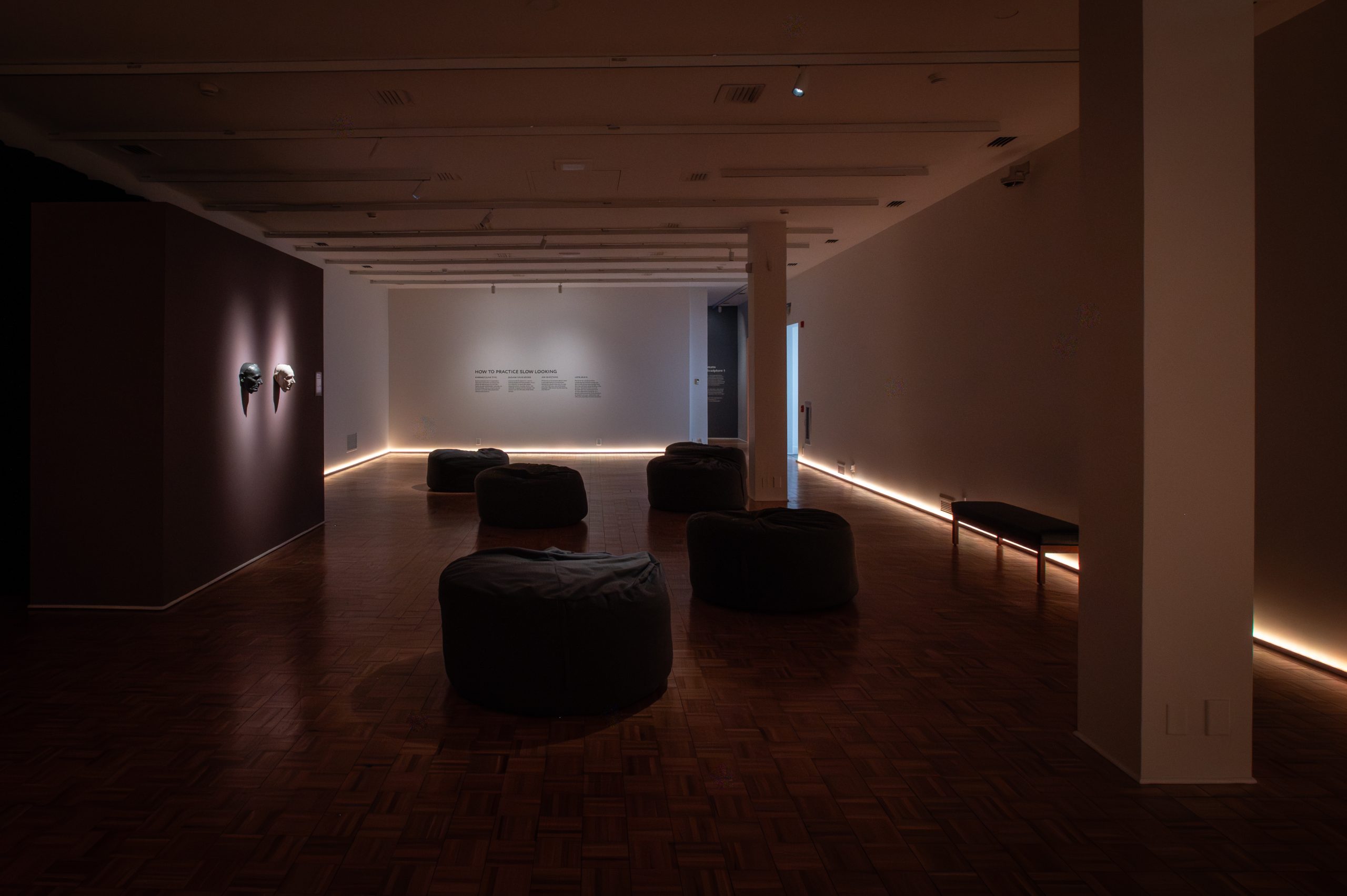
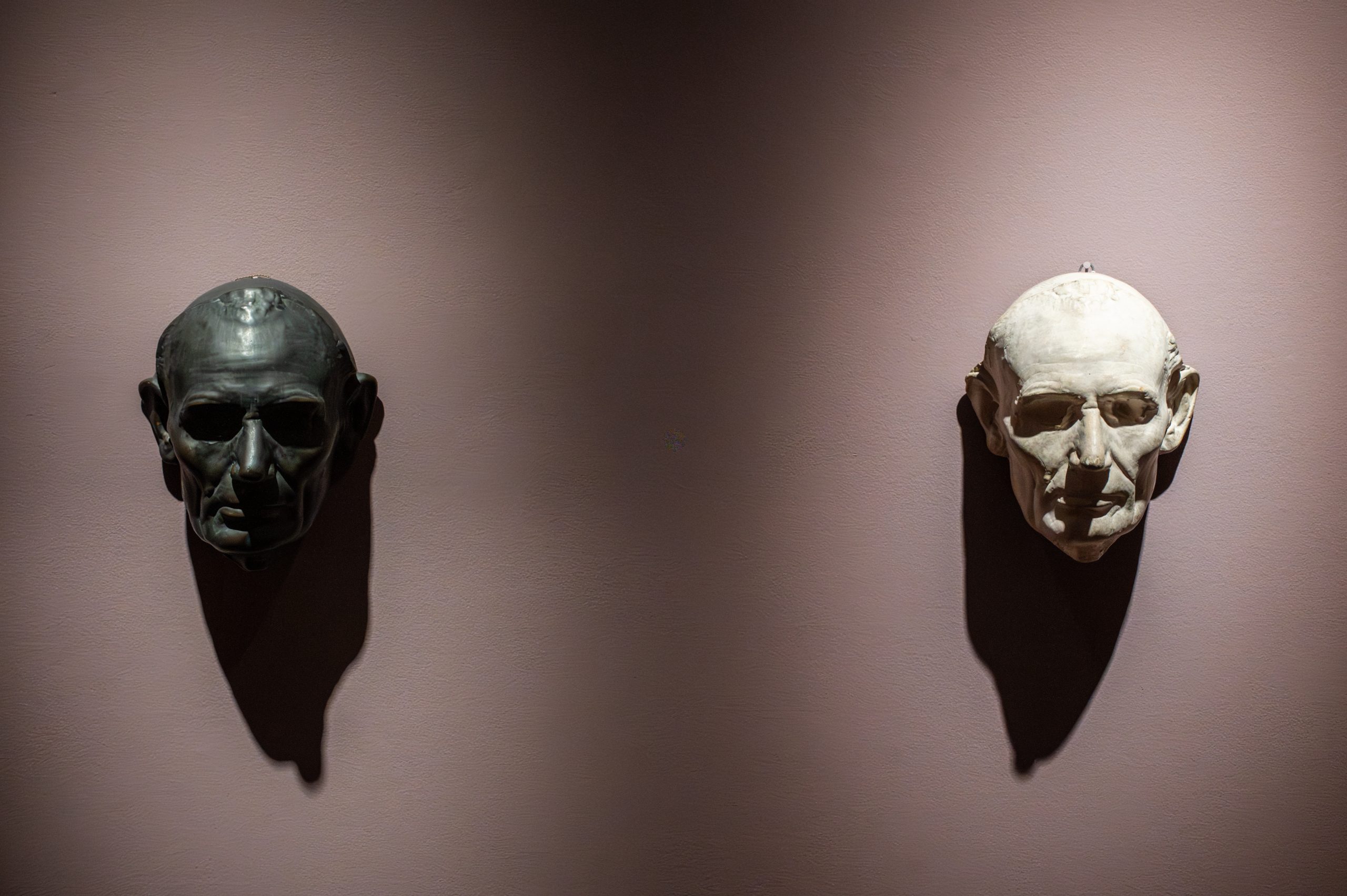
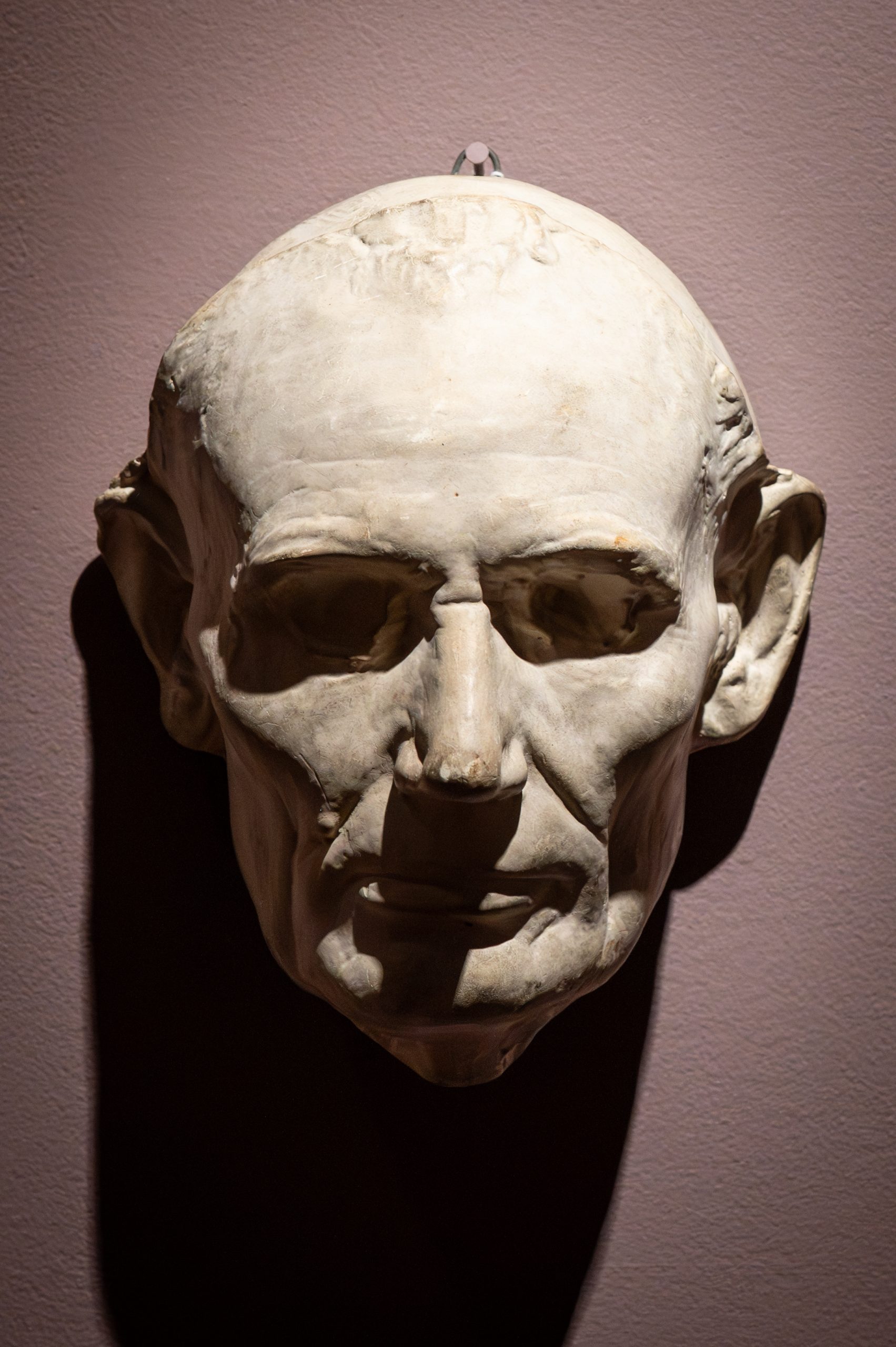
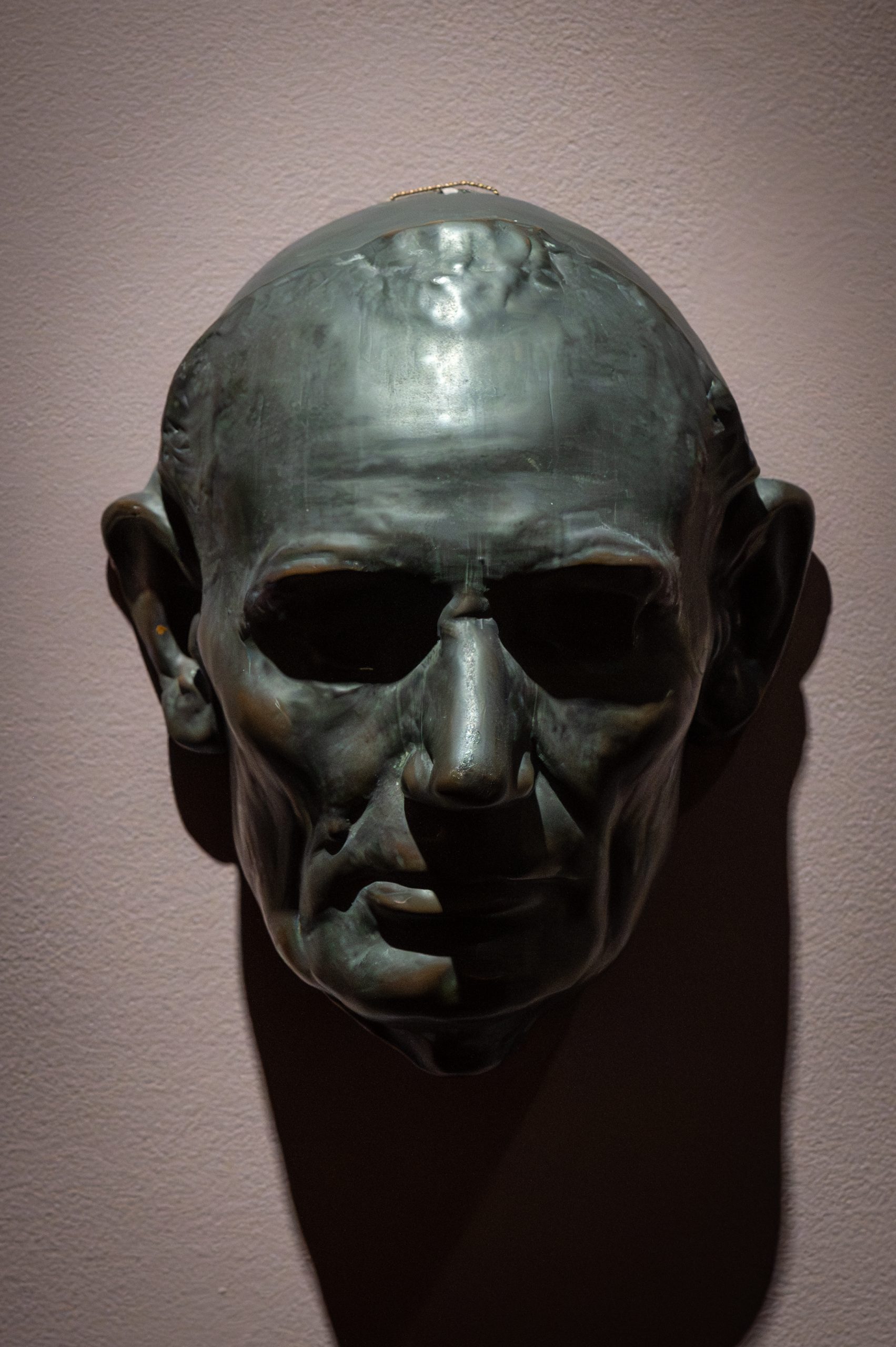
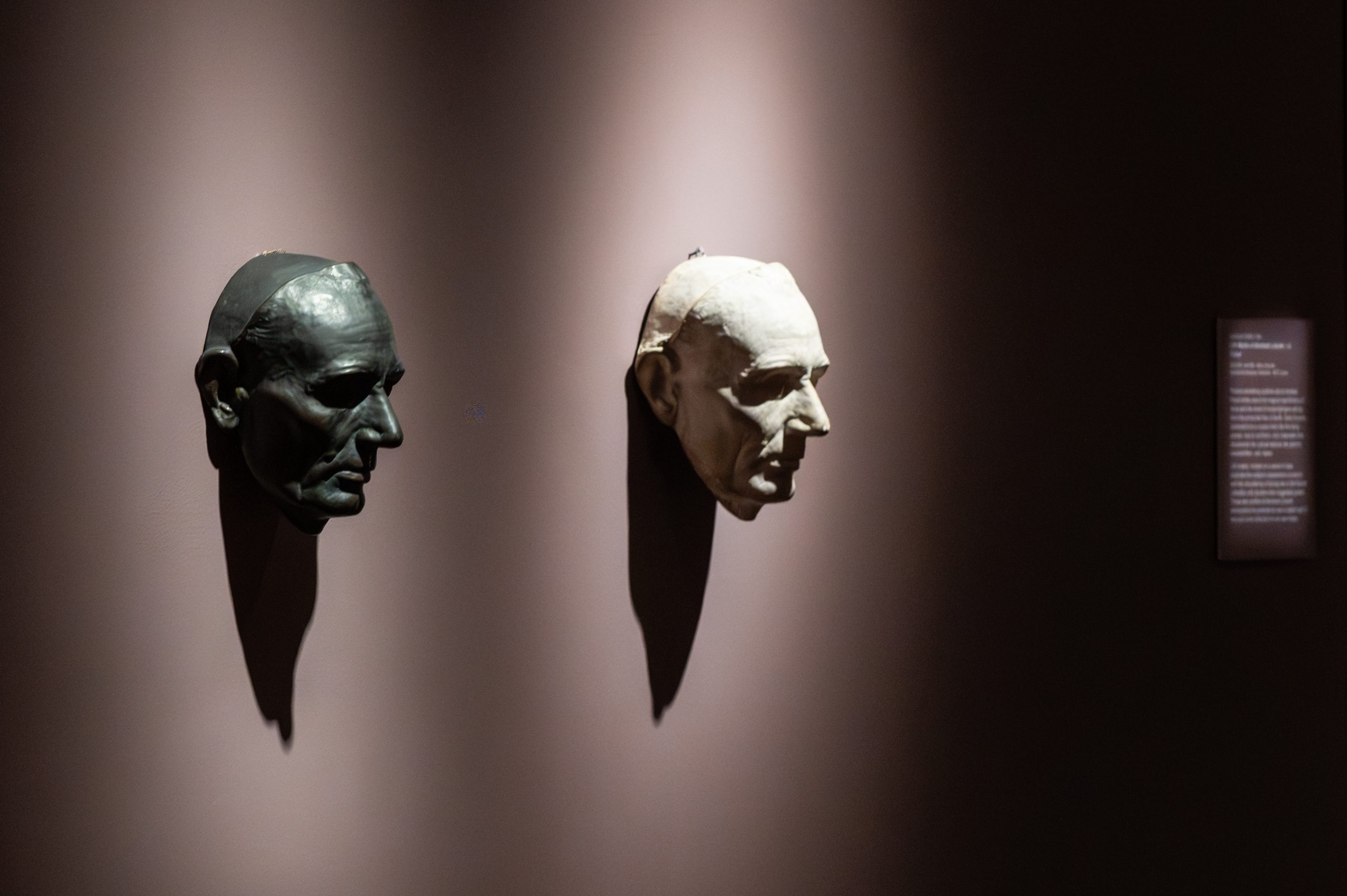
Image Credit: Impressions Photographic Studio + Gallery